UNDERSTANDING STRESS
Understanding Stress: Causes, Symptoms & Stress Management
Reviewed on 02 September, 2026
By Doctors On Demand, South Africa
What is Stress?
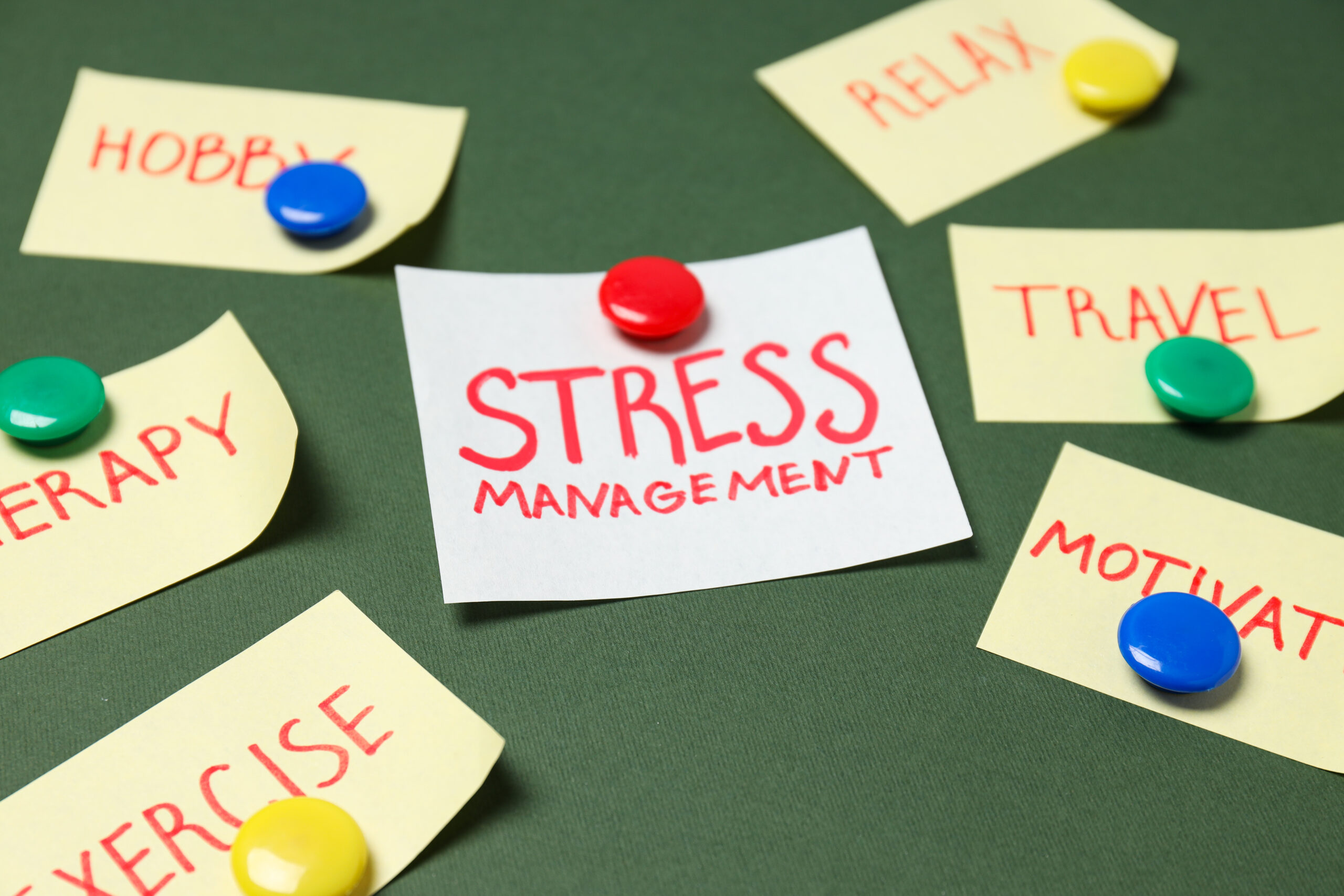
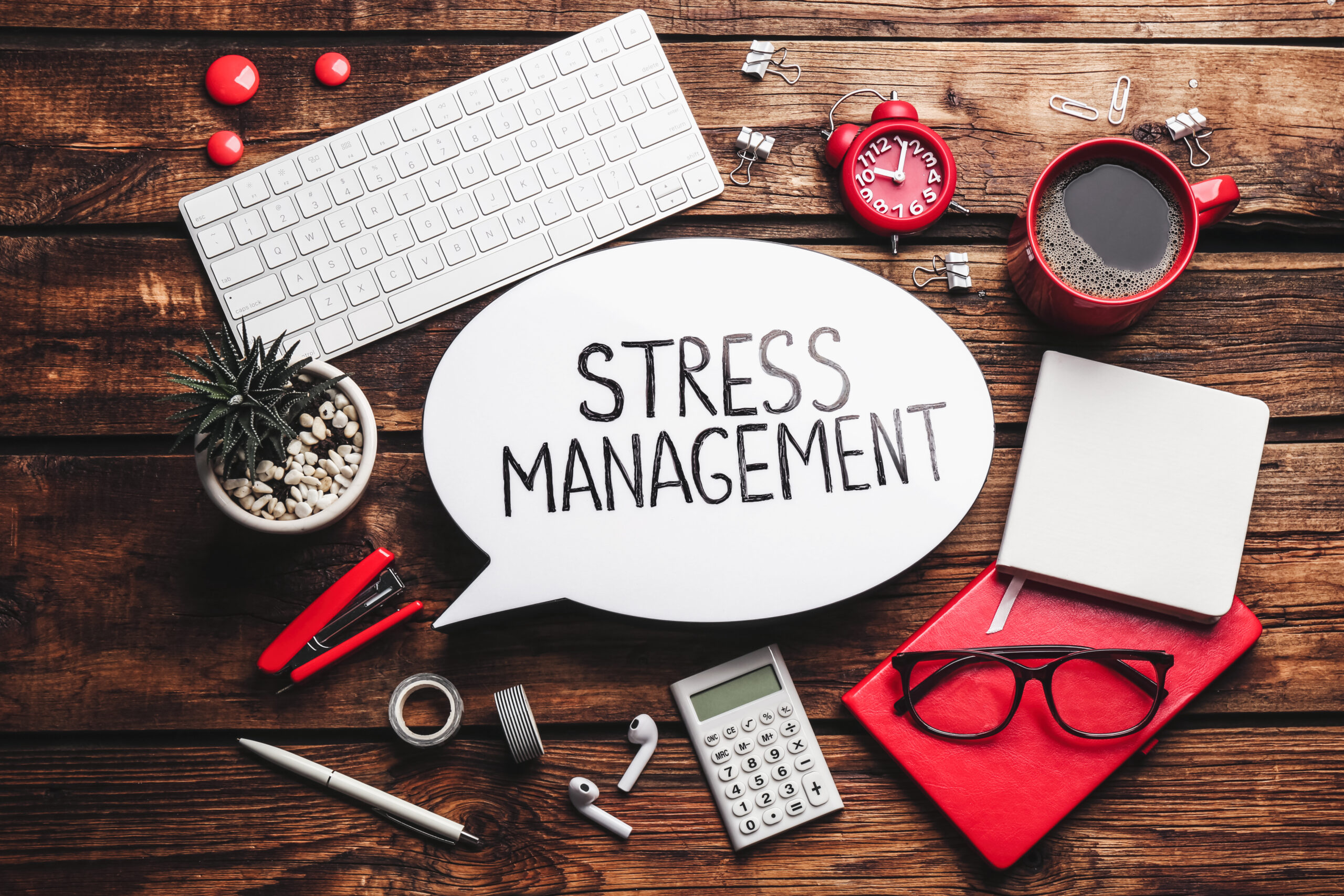
Stress is the body’s natural response to challenges or demands in life. It can be defined as a state of worry or tension. While short-term stress can help individuals stay focused and motivated, chronic stress can negatively impact both physical and mental health.
At our online medical practice, we understand the impact stress can have on your daily life and overall well-being. Recognizing the signs early and seeking professional support can help prevent long-term health complications.
What Causes Stress?
Stress may be triggered by a variety of factors, including:
- High workloads or stressful work environment
- Relationship or family challenges
- Financial difficulties
- Parenting responsibilities
- Chronic illness
- Major life events
- Caring for a loved one
- Lack of work-life balance
Sometimes several smaller stressors accumulate, making it difficult to cope.
Common Symptoms of Stress
Stress may present with emotional, physical, cognitive, and behavioural symptoms.
Physical Symptoms
- Frequent headaches
- Muscle tension or pain
- Fatigue or low energy
- Increased heart rate
- Changes in appetite
- Changes in sleep
Emotional Symptoms
- Anxiety
- Irritability
- Feeling overwhelmed
- Mood swings
- Difficulty relaxing
- Feeling sad or emotionally exhausted
Cognitive Symptoms
- Difficulty concentrating
- Forgetfulness
Behavioural Symptoms
- Social withdrawal
- Reduced productivity
- Increased alcohol or tobacco use
- Emotional eating
- Nail biting or other nervous habits
How Stress Affects Your Health
Long-term stress can:
- Affect your chronic diseases
- Affect your mental health
- Affect your mental health conditions
- Affect your family or work life
- Affect your use of alcohol, smoking and substances
Recognising stress early allows for effective intervention before complications develop.
Effective Ways to Manage Stress
Self-care
The key word to stress management is self-care. You are a complete, multifaceted person and you should approach stress holistically. Taking care of yourself physically, emotionally, spiritually, socially and mentally is one of the basic steps you can take. This will be a deliberate step that you take in one of those aspects of your life. Self-care can be tailored to everyone’s situation for example, for some people getting enough time to take care of their body’s hygiene, hair care or nail care is basic vs someone else may need a spa day or a walk.
Physical
Exercise Regularly
Physical activity helps reduce stress hormones while increasing endorphins, which improve mood. Aim for at least 30 minutes of moderate exercise most days.
Prioritise Sleep
Adults generally need 7–9 hours of quality sleep each night. Good sleep supports emotional resilience and cognitive function.
Eat a Balanced Diet
Nutritious foods help maintain stable energy levels and support brain function. Limiting caffeine, alcohol, and highly processed foods may also help reduce stress symptoms.
Mental & Emotional
Practice Relaxation Techniques
Helpful techniques include:
- Deep breathing exercises
- Meditation
- Yoga
- Progressive muscle relaxation
- Mindfulness
Even a few minutes each day can make a meaningful difference.
Social & Spiritual
Stay Connected
Talking with trusted friends, family members, or healthcare professionals can provide emotional support and practical coping strategies. Try to find a balance between hobbies, spirituality and daily life.
Set Realistic Boundaries
Learning to prioritise tasks and say no, when necessary, helps prevent burnout and improves work-life balance.
When Should You See a Doctor?
You should seek medical advice if:
- At any point when you feel you are unable to cope
- If you have any physical symptoms
- If symptoms or stress affect your daily living
- Stress lasts for several weeks or months
- Symptoms interfere with work or relationships
- You experience frequent panic attacks
- Sleep problems
- You feel anxious or depressed most days
- Stress affects your daily functioning
- Any suicidal thoughts
- Any thoughts of harming others
A healthcare provider can assess whether stress is contributing to your symptoms or if there is a physical cause and recommend appropriate treatment or referral if needed.
Preventing Chronic Stress
While it is impossible to eliminate stress entirely, healthy habits can improve resilience:
- Self-Care
- Exercise consistently
- Maintain regular sleep routines
- Practice mindfulness
- Schedule regular breaks
- Maintain social connections
- Manage time effectively
- Seek help early when stress becomes overwhelming
Conclusion
Stress is a normal part of life, but chronic stress should not be ignored. Early recognition, healthy coping strategies, and professional medical support when needed can reduce symptoms and improve long-term health. If stress is affecting your daily life, scheduling an assessment with a qualified healthcare provider is an important step toward better physical and mental wellbeing.
Don't Wait, Book Now!
Frequently Asked Questions
How do I know if I am stressed?
There is no one symptom that can exactly point to stress. If you are feeling overwhelmed by a situation or life, this may be the first indicator that there is some stress.
Can stress make you physically ill?
It is a natural response and not a physical illness. However, chronic stress can contribute to headaches, digestive problems, sleep disorders, and worsening of existing medical conditions.
How long does stress last?
Acute stress usually resolves after a stressful event. Chronic stress can persist for weeks, months, or even longer. It is important to seek medical advice if the stress is too overwhelming, causing physical symptoms or affecting your daily life.
Is stress the same as anxiety?
Stress is typically a response to an external situation or trigger that may resolve once the trigger is removed. Anxiety is a complex emotion that can persist.
Can exercise reduce stress?
Yes. Regular exercise helps lower stress hormones, improves mood, enhances sleep quality, and supports overall mental health.
What foods help reduce stress?
A balanced diet rich in fruits, vegetables, whole grains, lean proteins, nuts, seeds, and omega-3 fatty acids supports overall health and may help improve resilience to stress.
When should I seek professional help for stress?
You should consult a healthcare professional if stress significantly affects your work, relationships, sleep, physical health, or emotional wellbeing.
Related Topics
Depression Symptoms, Causes & Treatment
Get fast and effective depression care with Doctors On Demand. Learn how to recognise, treat, and manage depression symptoms through secure online consultations with qualified doctors and prescription options where needed.
Anxiety Symptoms, Causes & Management
Get fast and effective care for anxiety with Doctors On Demand. Learn how to recognise, treat, and manage anxiety symptoms through secure online consultations with qualified doctors and prescription options where needed.
Prescription Renewals Online
Get fast and convenient online prescription renewals with Doctors On Demand. Renew your repeat medication through secure online consultations with qualified doctors, without the need to visit a clinic.