
SINUSITIS
RESPIRATORY HEALTH
Sinusitis: When is it Sinusitis or Allergies?
By Doctors On Demand, South Africa
What Is Sinusitis?
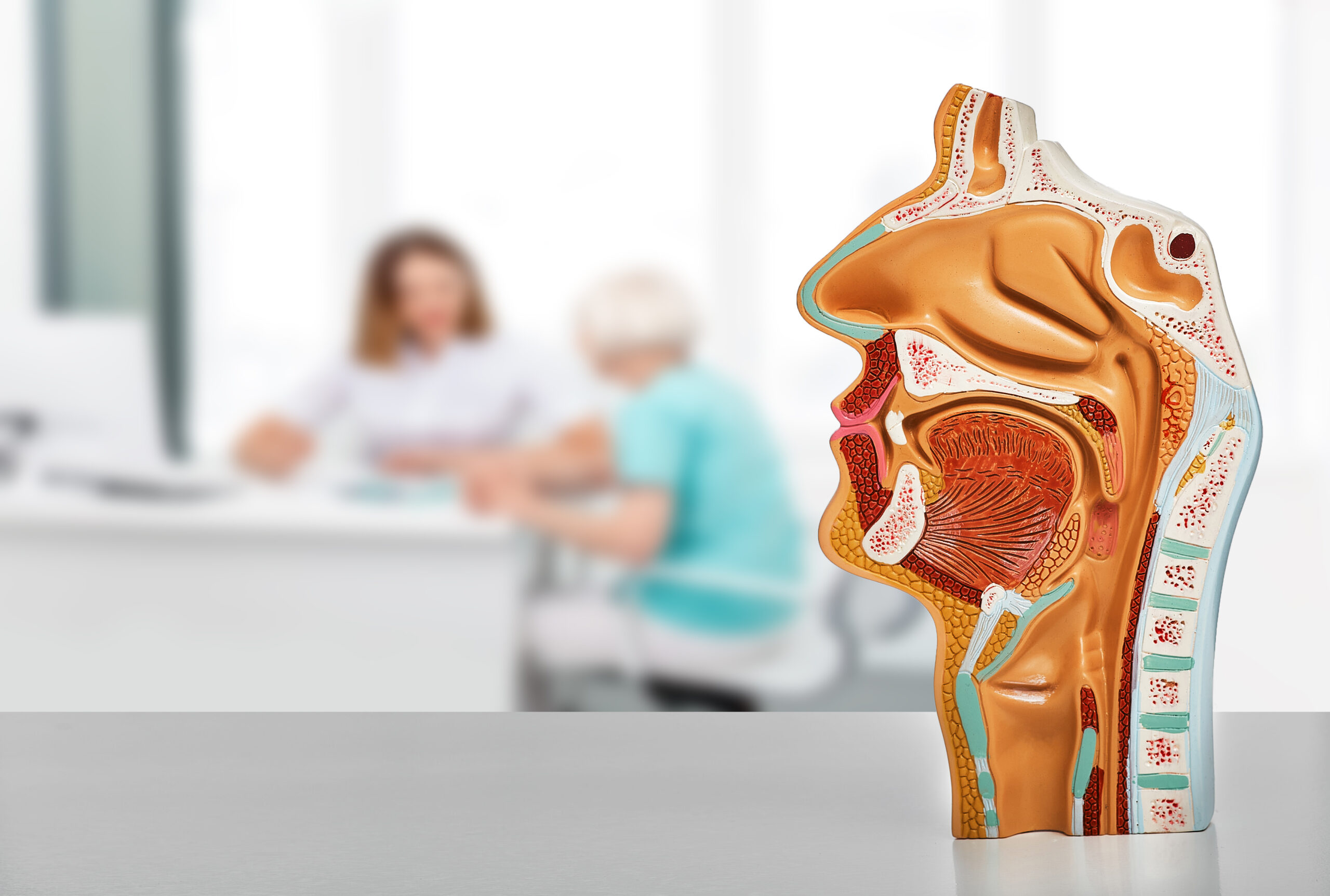
Sinusitis, commonly known as a sinus infection, occurs when the tissue lining the sinuses becomes inflamed and infected.
The sinuses are air-filled cavities located behind the forehead, cheeks, and nose. When these spaces become blocked and filled with fluid, bacteria can grow, leading to infection and discomfort.
Sinusitis is a common condition that can affect people of all ages. It is often confused with rhinitis or ‘hay fever’. It is therefore important to have a medical evaluation to determine the exact condition and correct treatment.
What Is Rhinitis?
Rhinitis is when the inside of your nose becomes irritated or inflamed. It can cause one or more of these symptoms:
- A blocked or stuffy nose
- A runny nose (from the front or down the back of the throat)
- Sneezing
- An itchy nose
Rhinitis is often confused with sinus infections because they can have similar symptoms. However, they are not always the same condition. Allergic rhinitis is a very common condition in South Africa related to allergic triggers. Keeping up to date with your local pollen count throughout the year and controlling allergic triggers in your home environment may assist with reducing symptoms.
How To Tell The Difference:
Symptom |
Allergies (Allergic Rhinitis) |
Common Cold |
Sinus Infection (Rhinosinusitis) |
How long does it last? |
Varies | Usually 3–10 days (up to 2 weeks in smokers). |
Acute: Less than 4 weeks. Subacute: 4–12 weeks. Chronic: More than 3 months. |
When does it happen? |
After contact with things like pollen, dust, pets, or mould. | Starts suddenly when you get a viral infection | Can happen after a cold or when the sinuses become infected or inflamed. |
Fever |
No | Sometimes a mild fever. | Often a mild fever. |
Runny nose |
Clear and watery. | Usually clear at first. It may become thicker or yellow/green later. | Thick yellow or green mucus is common. |
Itchy nose |
Yes | No | No |
Sneezing |
Common | Sometimes | Sometimes |
Blocked or stuffy nose |
Common | Common | Common |
Pain or pressure in the face, Pain in the upper teeth Headache, Feeling tired or unwell |
Not Common | Sometimes | Common |
Cough |
Sometimes | Common | Common |
Other symptoms |
May occur at certain times of the year or after exposure to allergy triggers. | A sore throat is common. | Loss of smell and mucus dripping down the back of the throat are also common. |
Symptoms of Sinusitis
Symptoms can vary depending on the severity and duration of the condition. Common signs include:
- Nasal congestion or blockage
- Thick yellow or green nasal discharge
- Facial pain or pressure
- Headaches
- Reduced sense of smell and taste
- Postnasal drip
- Sore throat
- Ear pressure
- Fatigue
- Bad breath
- Cough, especially at night
- Fever in some cases
Symptoms that persist for more than 10 days or worsen after initially improving may indicate a bacterial infection.
Causes:
- Viral infection – can predispose you to a bacterial infection
- Allergy
- Trauma
- Dental infection
Risk Factors for Sinusitis
Certain individuals may be more prone to developing sinusitis, including those with:
- Allergies
- Asthma
- Frequent respiratory infections
- Smoking habits
- Structural nasal abnormalities: nasal polyps, deviated septum
- Immune system disorders
Identifying and managing risk factors can help reduce the likelihood of recurrent infections.
How Is Sinusitis Diagnosed?
Healthcare providers typically diagnose sinusitis based on symptoms and medical history. During an online consultation, your doctor may assess:
- Duration of symptoms
- Severity of facial pain and congestion
- Presence of fever
- History of allergies or previous sinus infections
In some cases, further testing or referral to an ear, nose, and throat (ENT) specialist may be recommended.
Treatment Options for Sinusitis
Treatment depends on the cause and severity of the condition.
Home Care Measures
Many cases of acute sinusitis improve with self-care, including:
- Drinking plenty of fluids
- Using saline nasal sprays or rinses
- Inhaling steam
- Getting adequate rest
- Using a humidifier
- Applying warm compresses to the face
- Immune support: sunshine, Vitamin C and zinc-containing foods or supplements
- Allergic triggers: pollen, dust, dust mites, cockroaches, mould and pets
Medications
Your healthcare provider may recommend:
- Antihistamines
- Nasal corticosteroid or decongestant sprays
- Oral decongestants
- Pain relievers for headaches and facial discomfort
- Antibiotics when a bacterial infection is suspected
Antibiotics are not effective against viral sinus infections and should only be used when medically indicated.
When Should You See a Doctor?
At any point of illness when you are feeling unwell or are not sure what to do or which medications you should take, it is safer to see a doctor. An online consultation provides a quick and easy way to assist you with making decisions about your health.
Seek medical advice if you have:
- Facial pain or swelling
- High fever
- Recurrent sinus infections or nasal symptoms
- Symptoms that worsen despite treatment (even if this happens less than 10 days)
- Symptoms lasting longer than 10 days
Prompt medical evaluation can help prevent complications and ensure appropriate treatment.
Preventing Sinusitis
While not all cases can be prevented, the following measures may help reduce your risk:
- Wash your hands regularly
- Manage allergic rhinitis and allergic triggers effectively
- Avoid smoking and second-hand smoke
- Stay hydrated
- Use a humidifier during dry seasons
- Avoid close contact with individuals who have respiratory infections
- Speak to a doctor about how to manage viral infections effectively
How Our Online Medical Practice Can Help
Our online medical practice provides convenient access to healthcare professionals who can evaluate your symptoms, determine whether your sinusitis may require treatment, and develop a personalized care plan.
Through virtual consultations, patients can receive expert medical advice from the comfort of their homes, saving time while ensuring timely care.
Book an Online Consultation Today
If you’re experiencing persistent nasal congestion, facial pain, or other symptoms of sinusitis or rhinitis, professional medical guidance can help you find relief. Schedule an online consultation with our healthcare team today and take the first step toward better sinus health.
Don't Wait, Book Now!
Frequently Asked Questions
What are the common symptoms of sinusitis?
Common symptoms include nasal congestion, headaches, facial pressure, post-nasal drip, sneezing, and a blocked or runny nose. In some cases, fatigue and reduced sense of smell may also occur.
Can sinusitis be treated online?
Yes, Doctors On Demand offers secure online consultations where qualified doctors assess your symptoms and recommend appropriate treatment, including prescriptions where necessary.
What treatments are available for sinusitis?
Your doctor will recommend the most suitable option based on your condition. Treatment may include antihistamines, nasal sprays, decongestants, or antibiotics if a bacterial infection is present.
How can Doctors On Demand help?
Doctors On Demand provides convenient online consultations, professional diagnosis, and personalised treatment plans to help relieve symptoms and manage sinusitis and rhinitis effectively without visiting a clinic.


Related Topics

Flu Symptoms, Causes & Treatment
Get fast and effective flu care with Doctors On Demand. Learn how to recognise, treat, and manage flu symptoms through secure online consultations with qualified doctors and prescription options where needed.

COVID-19 Symptoms, Causes & Treatment
Get safe and reliable COVID-19 care with Doctors On Demand. Learn how to manage COVID-19 symptoms through online consultations with qualified doctors, medical advice and prescription support where appropriate.

Prescription Renewals Online
Get fast and convenient online prescription renewals with Doctors On Demand. Renew your repeat medication through secure online consultations with qualified doctors, without the need to visit a clinic.