
STOMACH BUGS
DIGESTIVE HEALTH
Stomach Bugs: Symptoms, Treatment and When to Seek Medical Advice
By Doctors On Demand, South Africa
What Is a Stomach Bug?
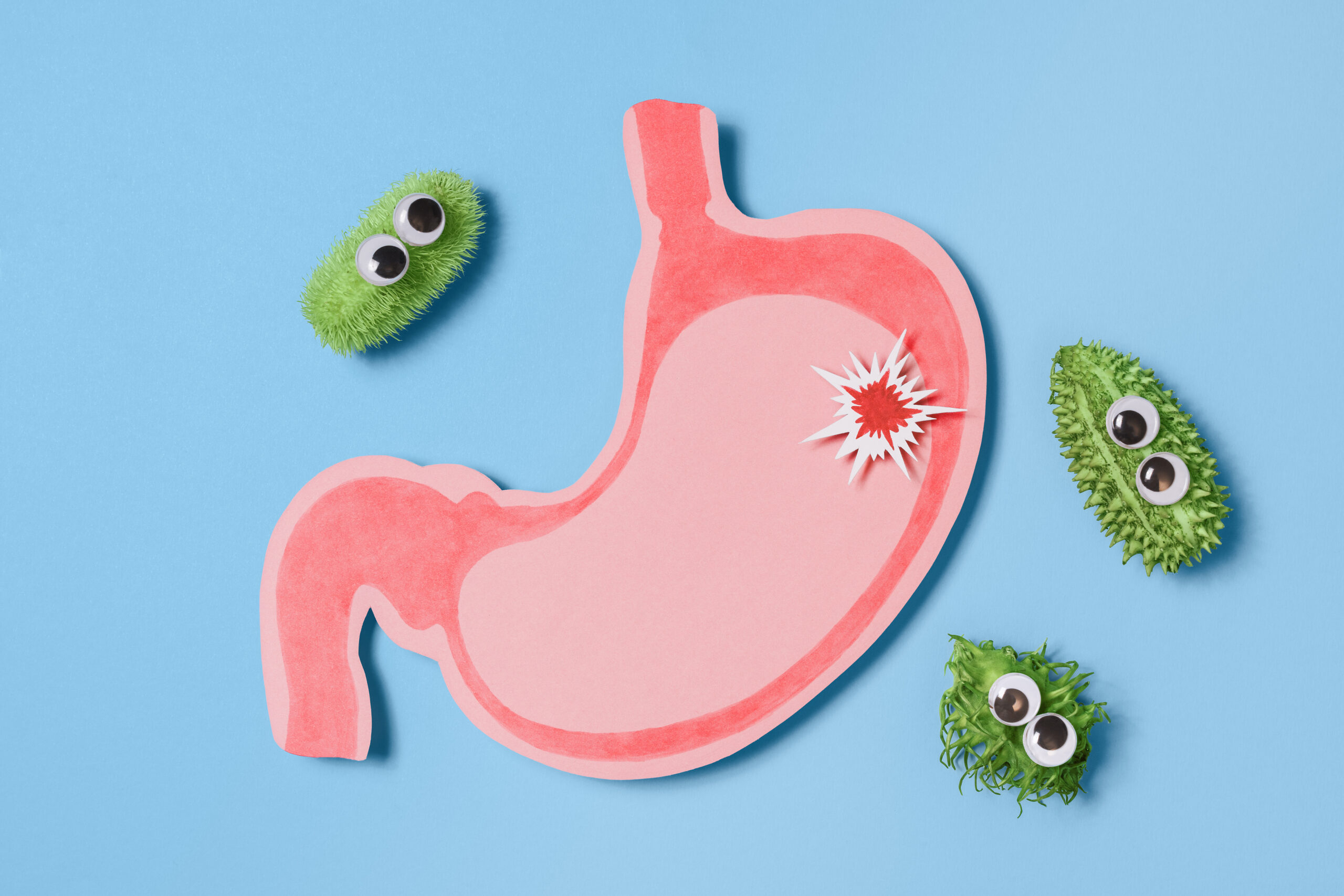
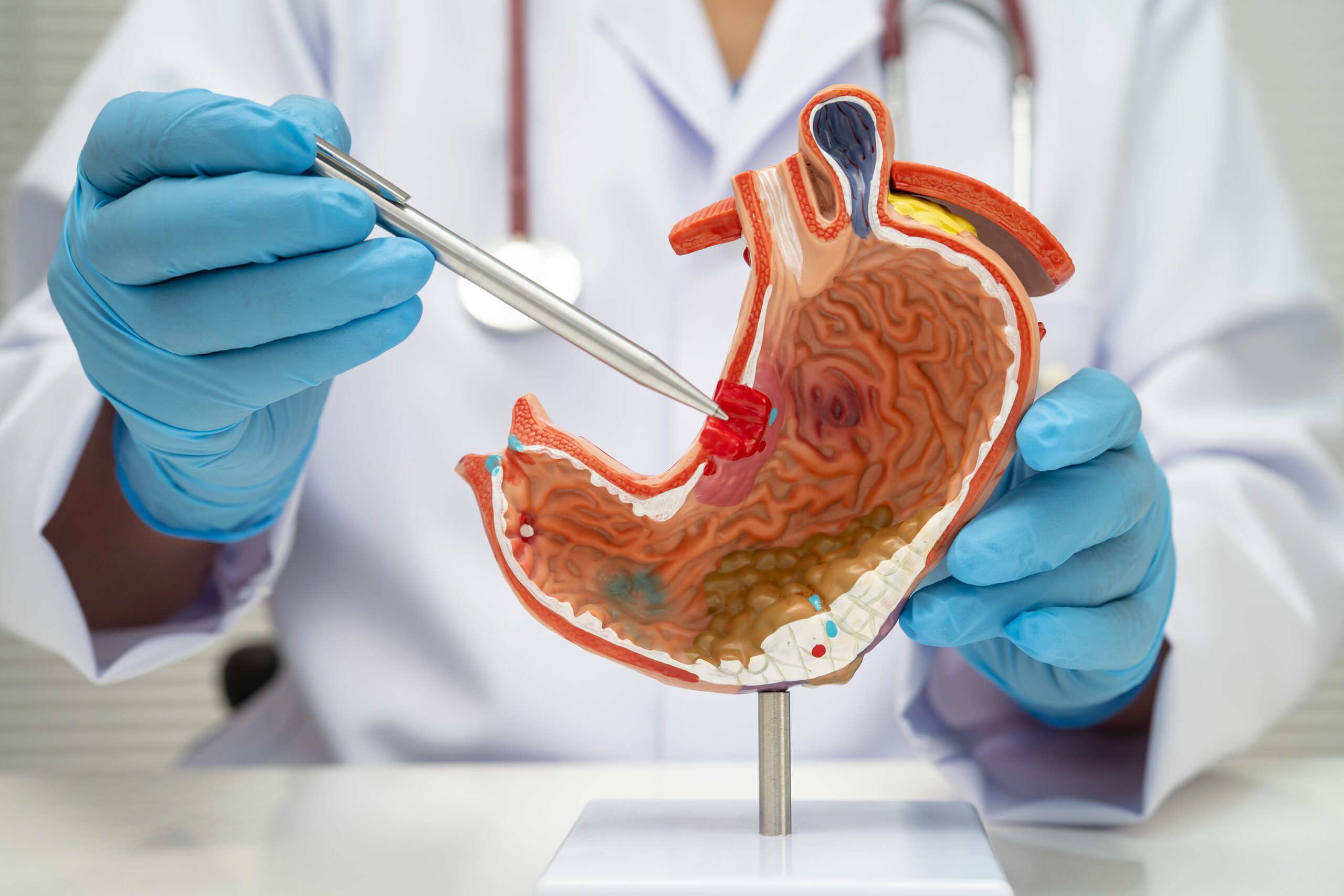
A stomach bug, also known as gastroenteritis, is a common condition that causes inflammation of the stomach and intestines. It is most commonly caused by a viral infection but can also result from bacteria or parasites. These can be picked up through contact with infected people or by ingesting contaminated food or water.
Stomach bugs are highly contagious and can affect people of all ages. While most cases resolve on their own within a few days, some individuals may require medical advice or treatment.
Common Symptoms of a Stomach Bug
Symptoms typically develop suddenly and may include:
• Diarrhoea
• Nausea
• Vomiting
• Abdominal pain
• Fever
• Headache
• Muscle aches
• Loss of appetite
• Fatigue
Symptoms can range from mild to severe, depending on the cause of the infection and the individual’s overall health.
What Causes a Stomach Bug?
Several types of infections can lead to gastroenteritis.
Viral Gastroenteritis
Viruses are the most common cause of stomach bugs. Viral infections spread easily through close contact with infected individuals and contaminated surfaces, food or water.
Bacterial Gastroenteritis
Certain bacteria can cause more severe symptoms, often linked to food poisoning from contaminated food products or poor food hygiene practices.
Parasitic Infections
Although less common, parasites can also cause gastrointestinal infections. This can occur after travel to endemic areas or exposure to contaminated water sources.
How Long Does a Stomach Bug Last?
Most viral stomach bugs improve a few days, although some symptoms may persist for up to a week. Recovery times vary depending on the cause of the infection and individual health factors.
If symptoms continue for longer than a week or worsen, medical assessment may be necessary.
Treatment for a Stomach Bug
Most stomach bugs can be managed at home with supportive care.
Stay Hydrated
The biggest risk associated with gastroenteritis is dehydration. Frequent diarrhoea and vomiting can cause significant fluid loss.
Try to:
• Drink water regularly
• Use oral electrolyte solutions
• Take small sips if nausea makes drinking difficult
• Avoid alcohol, caffeinated drinks and spicy food
Get Plenty of Rest
Rest helps your body recover and fight the infection more effectively.
Eat Simple Foods
As symptoms improve, consider introducing bland foods such as:
• Toast
• Rice
• Bananas
• Crackers
• Plain potatoes
Avoid heavy, greasy, spicy or rich foods until you feel better.
Signs of Dehydration
Seek medical advice if you experience signs of dehydration, including:
• Dizziness
• Dry mouth
• Dark urine
• Reduced urine output
• Extreme thirst
• Weakness
• Rapid heartbeat
Young children, older adults and people with chronic health conditions are particularly vulnerable to dehydration.
When Should You Speak to a Doctor?
Although most stomach bugs resolve without treatment, medical attention may be needed if you experience:
• Symptoms lasting longer than several days
• Severe abdominal pain
• High fever
• Blood or mucus in your stool
• Persistent vomiting
• Inability to keep fluids down
• Signs of dehydration
• Symptoms following recent international travel
Healthcare professionals can assess whether further investigation or treatment is required.
Can You Get Treatment Online?
Online medical consultations provide a convenient way to discuss symptoms and receive professional advice without leaving home.
A healthcare provider can review your symptoms, recommend appropriate treatment options, advise on hydration and recovery and determine whether in-person assessment is necessary.
How to Prevent Stomach Bugs
Good hygiene practices can help reduce the risk of infection.
Prevention tips include:
• Wash hands thoroughly with soap and water after using the toilet and before eating
• Avoid sharing utensils during illness
• Clean contaminated surfaces regularly
• Follow safe food preparation practices
• Stay home when experiencing symptoms to avoid spreading infection
Get Expert Advice from an Online Doctor
If you’re experiencing symptoms of a stomach bug and are unsure whether you need treatment an online consultation can provide fast, convenient access to professional medical advice. Early assessment can help identify signs of dehydration, guide recovery and determine whether additional treatment is needed.
Don't Wait, Book Now!
Frequently Asked Questions
Is a stomach bug contagious?
Yes. Many stomach bugs spread easily through close contact, contaminated food, water or surfaces.
Can antibiotics treat a stomach bug?
Antibiotics are not effective against viral infections, which cause most stomach bugs. They may only be prescribed for certain bacterial infections.
Should I eat if I have a stomach bug?
It is generally best to focus on hydration first. Once nausea improves, bland foods can be reintroduced gradually.
How do I know if I am dehydrated?
Common signs include dizziness, dry mouth, dark urine, reduced urine output and excessive thirst. Seek medical advice if dehydration symptoms develop.
Can food poisoning be treated online?
Yes. Doctors can assess symptoms and recommend treatment and hydration advice.
What are common food poisoning symptoms?
Symptoms may include nausea, vomiting, diarrhoea, stomach cramps and fever.
Can I get medication for stomach pain online?
Yes. Treatment recommendations and prescriptions may be provided when necessary.
How fast can I consult a doctor for stomach issues?
You can book a same-day online consultation in many cases.
When should I seek urgent medical help for food poisoning?
Seek immediate care if symptoms become severe or cause dehydration.

Related Topics

Flu Symptoms, Causes And Treatment
Get fast and reliable care for flu symptoms with Doctors On Demand. Learn how to recognise, treat, and manage flu through convenient online consultations from qualified doctors.