
STYE
EYE HEALTH
Stye: Symptoms, Causes, Treatment, and When to See an Online Doctor
A stye is a common eyelid condition that can cause pain, swelling and irritation. While many styes heal on their own within a week or two, some require medical assessment and treatment to prevent complications. An online medical consultation can help determine whether your symptoms are consistent with a stye and whether you need prescription medication or an in-person examination.
Reviewed On 08 September, 2026
By Doctors On Demand, South Africa
What Is a Stye?
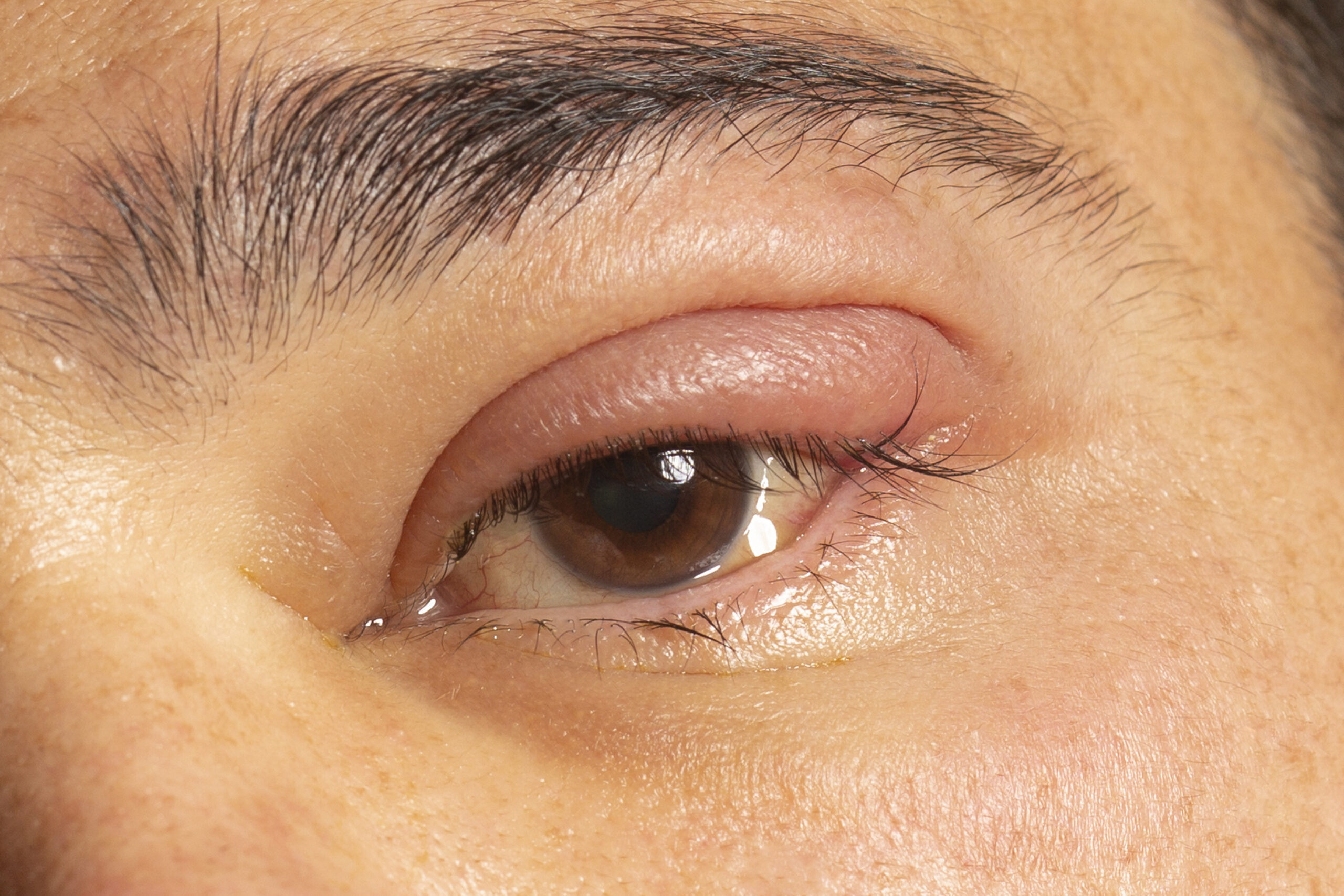
A stye (also called a hordeolum) is a small, painful lump that develops on or near the edge of the eyelid. It usually occurs when an oil gland or eyelash follicle becomes infected, most commonly by bacteria such as Staphylococcus aureus.
Styes can develop on the outside or inside of the eyelid and often resemble a pimple.
Symptoms of a Stye
Common symptoms include:
- A painful, red bump on the eyelid
- Swelling of the eyelid
- Tenderness when touching the eyelid
- Eye irritation or a gritty sensation
- Crusting may be present around the inflamed area
Although uncomfortable, a stye should not affect vision. However, significant swelling can temporarily blur vision by partially covering the eye.
What Causes a Stye?
Most styes are caused by a bacterial infection of the eyelid’s oil glands. Factors that increase the risk include:
- Poor eyelid hygiene
- Touching the eyes with unwashed hands
- Wearing old or contaminated eye makeup
- Sleeping with makeup on
- Improper contact lens hygiene
- Chronic eyelid inflammation (blepharitis)
- Skin conditions such as rosacea or seborrhoeic dermatitis
Is a Stye Contagious?
A stye itself is not contagious, but the bacteria that cause it can spread through direct contact. Avoid sharing towels, makeup or eye products. It is also important to wash your hands regularly to reduce the risk of spreading infection.
How to Treat a Stye at Home
Most uncomplicated styes improve with simple home care.
Apply Warm Compresses
Place a clean, warm compress over the closed eyelid for 10 to 15 minutes, three to four times daily. This helps unblock the gland and encourages drainage.
Keep the Eyelid Clean
Gently clean the eyelid using warm water or a mild eyelid cleanser.
Avoid Squeezing the Stye
Do not pop or squeeze the stye, as this can spread the infection or worsen inflammation.
Avoid Contact Lenses and Eye Makeup
Until the stye has healed, avoid wearing contact lenses or eye makeup to reduce irritation and prevent reinfection.
When Should You See a Doctor?
Although most styes resolve without prescription treatment, you should seek medical advice if:
- The stye lasts longer than one to two weeks.
- Pain or swelling becomes severe.
- Redness spreads beyond the eyelid.
- Vision becomes affected.
- You develop fever or feel unwell.
- The stye keeps returning.
- The eyelid becomes increasingly swollen despite home treatment.
Can an Online Doctor Help?
Yes. An online consultation is often the first step in assessing a stye.
An online doctor can:
- Evaluate your symptoms and medical history.
- Confirm whether your symptoms are likely due to a stye or another eye condition.
- Recommend home treatment.
- Prescribe medication if appropriate.
- Advise whether you should be referred to an optometrist, ophthalmologist, or attend an urgent care clinic.
If your symptoms suggest a more serious eye infection or another condition requiring a physical examination, your online doctor will recommend prompt in-person assessment.
When Are Antibiotics Needed?
Most styes do not require antibiotics. However, antibiotic eye ointment or oral antibiotics may be prescribed if:
- The infection is spreading.
- There is significant eyelid inflammation.
- You have recurrent styes.
- You develop cellulitis around the eye.
- The stye is not resolving on its own.
Always use antibiotics exactly as prescribed and complete the full course, if one is recommended.
Preventing Future Styes
You can reduce your risk by:
- Washing your hands before touching your eyes.
- Removing eye makeup before sleeping.
- Replacing eye makeup every three to six months.
- Cleaning contact lenses properly.
- Managing underlying eyelid conditions.
- Practising good eyelid hygiene if you are prone to recurrent styes.
Get Expert Advice Online
If you have a painful, swollen eyelid or think you may have a stye, an online consultation can help you get the right advice quickly. Early assessment can identify whether simple home care is sufficient or whether prescription treatment or an in-person examination is needed.
Book an online consultation today for convenient, professional medical advice from the comfort of your home.
Don't Wait, Book Now!
Frequently Asked Questions
How long does a stye last?
Most styes improve within a few days and resolve completely within one to two weeks.
Can I wear makeup with a stye?
It is best to avoid eye makeup until the stye has fully healed to prevent irritation and contamination.
Can stress cause a stye?
Stress does not directly cause a stye, but it may contribute indirectly by aggravating contributing factors like rosacea or from increased eye rubbing when stressed.
What's the difference between a stye and a chalazion?
A stye is an acute bacterial infection that is usually painful. A chalazion is a painless lump caused by a blocked oil gland and typically develops after inflammation has settled.
What causes a stye?
Most styes are caused by bacteria entering blocked oil glands in the eyelid. Poor eyelid hygiene, rubbing your eyes with unwashed hands, wearing old eye makeup, and improper contact lens care can increase the risk.
When should I see a doctor for a stye?
You should seek medical advice if:
- The stye lasts longer than one to two weeks.
- Pain or swelling becomes severe.
- Redness spreads around the eye.
- Your vision becomes blurred.
- You develop fever or feel unwell.
- You experience frequent or recurrent styes.
Can an online doctor diagnose a stye?
Yes. An online doctor can assess your symptoms, review your medical history, and determine whether your condition is likely to be a stye. If prescription treatment is needed or an in-person examination is recommended, your doctor will advise you on the next steps.
Do styes need antibiotics?
Most styes do not require antibiotics and improve with warm compresses and good eyelid hygiene. A doctor may prescribe antibiotic eye ointment or oral antibiotics if the infection is severe, spreading or recurring.

Related Topics
Skin Rashes Symptoms, Causes & Treatment
Get fast and effective skin rash care with Doctors On Demand. Learn how to recognise, treat, and manage skin rash symptoms through secure online consultations with qualified doctors and prescription options where needed.

Pink Eye Symptoms, Causes & Treatment
Get fast and effective stye care with Doctors On Demand. Learn how to recognise, treat, and manage stye symptoms through secure online consultations with qualified doctors and prescription options where needed.

Prescription Renewals Online
Get fast and convenient online prescription renewals with Doctors On Demand. Renew your repeat medication through secure online consultations with qualified doctors, without the need to visit a clinic.