HIV PREVENTION
INFECTIOUS DISEASES AND CHRONIC HEALTH
HIV Prevention: How to Reduce Your Risk and Protect Your Health
By Doctors On Demand, South Africa
What Is HIV?
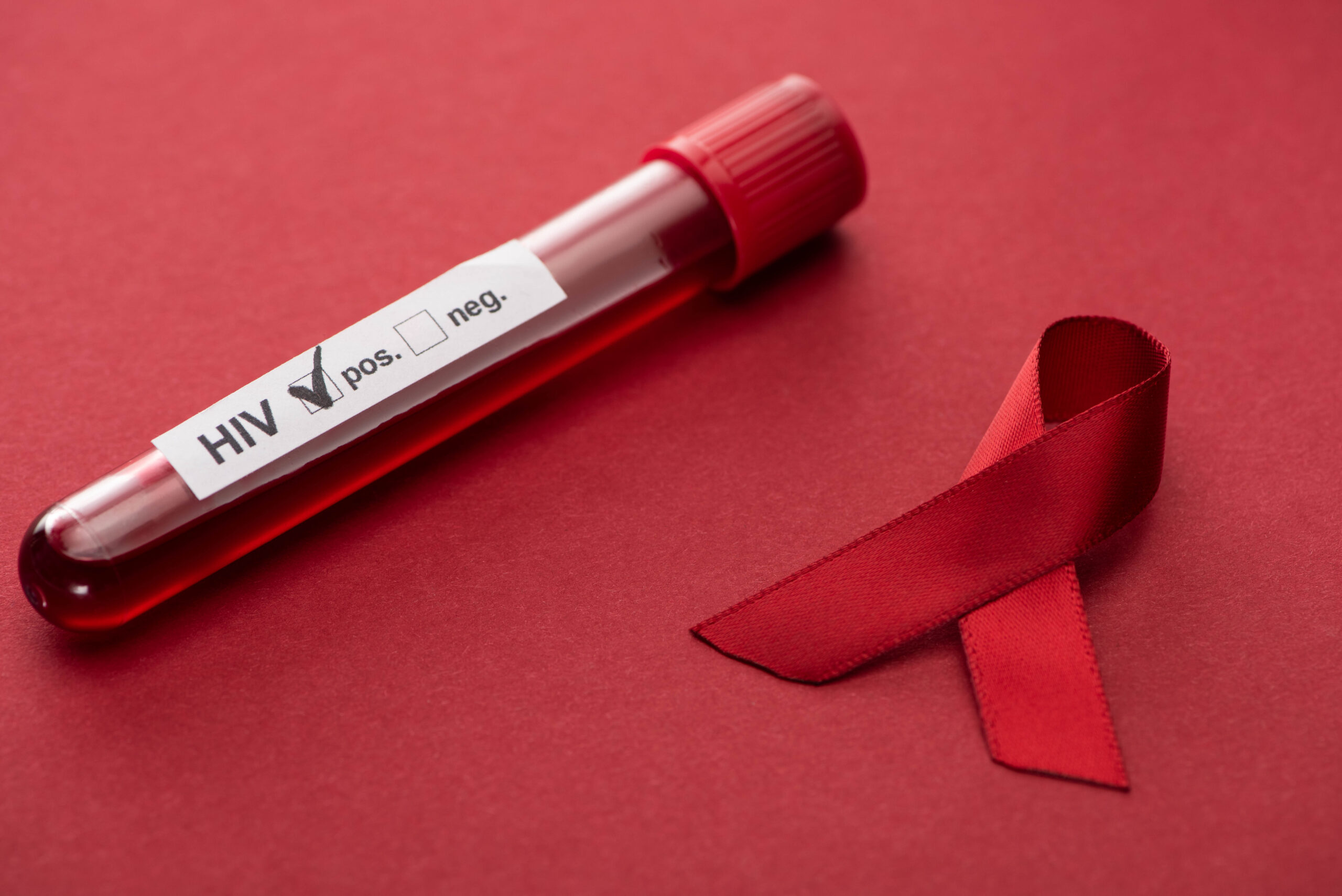
Human Immunodeficiency Virus (HIV) is a virus that attacks the body’s immune system. Without treatment, HIV can weaken the immune system over time, increasing the risk of serious infections and illnesses.
HIV can be effectively prevented through lifestyle modification and through awareness of transmission mechanisms. There have been advances in treatment options that allow patients to live long and full lives, often with minimal side effects. Early prevention strategies and regular testing play a crucial role in reducing transmission and protecting long-term health.
How Is HIV Transmitted?
HIV can be transmitted through contact with bodily fluids from a person living with HIV, including:
- Blood
- Semen
- Vaginal fluids
- Rectal fluids
- Breast milk
Common routes of transmission include:
- Unprotected vaginal or anal sex
- Sharing needles or injection equipment
- Mother-to-child transmission during pregnancy, birth or breastfeeding
- Occupational exposure in healthcare settings
HIV is not spread through casual contact such as hugging, shaking hands, sharing food, coughing, or using public toilets.
Why HIV Prevention Matters
Preventing HIV not only protects your health but also helps reduce the spread of the virus within communities. Modern prevention methods are highly effective and can significantly lower the risk of infection when used correctly.
Understanding your risk factors and accessing preventive healthcare services are important steps in maintaining overall health.
Effective Ways to Prevent HIV
Use Condoms Consistently
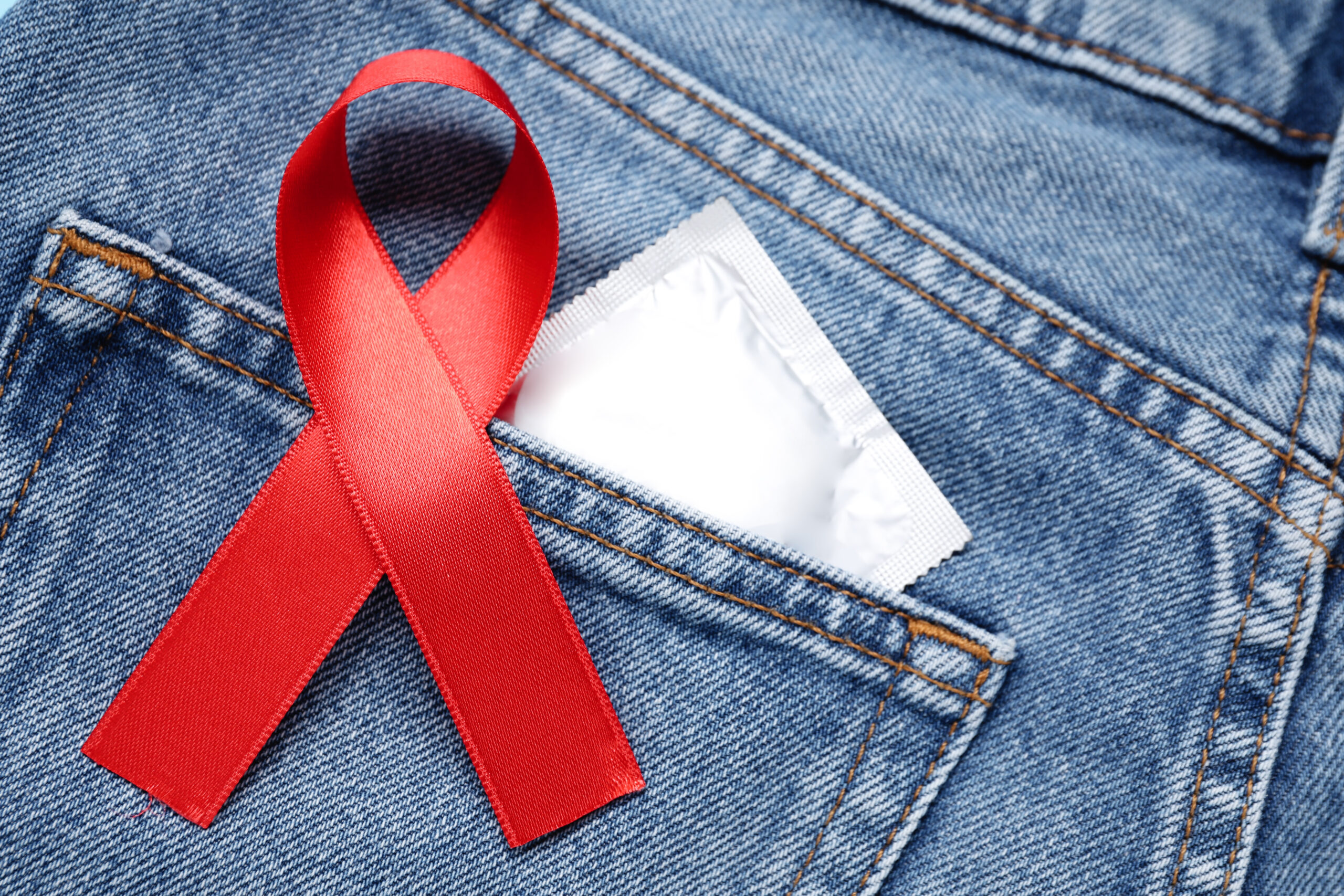
Condoms remain one of the most effective methods for reducing the risk of HIV transmission during sexual activity.
Correct and consistent use can also help protect against many other sexually transmitted infections (STIs).
Consider Pre-Exposure Prophylaxis (PrEP)
PrEP is a preventive medication taken by HIV-negative individuals who may be at an increased risk of HIV exposure.
When taken as prescribed, PrEP can significantly reduce the risk of acquiring HIV through sexual contact.
You may wish to discuss PrEP with a healthcare provider if you:
- Have a partner living with HIV
- Have multiple sexual partners
- Do not consistently use condoms
- Are at increased risk of HIV exposure for other reasons
Know Your HIV Status
Regular HIV testing is one of the most important prevention strategies.
Testing allows individuals to:
- Detect HIV early
- Access treatment promptly if needed
- Protect partners through informed and joint decision-making
- Gain peace of mind
Many healthcare providers recommend routine testing as part of regular sexual health care.
Avoid Sharing Needles
Sharing needles or injection equipment increases the risk of HIV transmission through blood exposure.
Using sterile equipment every time significantly reduces this risk.
Discuss HIV Prevention with Sexual Partners
Open communication about sexual health, testing history, and prevention strategies can help reduce HIV risk and support informed decision-making.
What Is PEP?
Post-Exposure Prophylaxis (PEP) is emergency medication that may help prevent HIV infection after a potential exposure.
PEP must usually be started within 72 hours of exposure to be effective. The earlier after exposure it is started, the better.
Potential situations where PEP may be considered include:
- Victims of sexual assault
- Condom failure
- Needle-stick injuries
- Shared injection equipment
Because timing is critical, urgent medical advice should be sought after a potential exposure.
HIV Testing: When Should You Get Tested?
You should consider HIV testing if:
- You have had unprotected sex
- You have a new sexual partner
- You believe you may have been exposed to HIV
- You are considering starting PrEP
- You are pregnant or planning a pregnancy
- You want routine sexual health screening
Regular testing is an important part of proactive healthcare.
Symptoms of Early HIV Infection
Some people develop symptoms within a few weeks of infection, while others experience no symptoms at all.
Possible early symptoms include:
- Fever
- Sore throat
- Swollen lymph nodes
- Fatigue
- Muscle aches
- Skin rash
- Night sweats
- Diarrhoea
- Weight loss
Because these symptoms can resemble many common illnesses, testing is the only reliable way to determine HIV status.
Can HIV Be Treated?
Yes. Modern antiretroviral therapy (ART) allows people living with HIV to lead long, healthy lives.
Early diagnosis and treatment can:
- Protect the immune system
- Improve long-term health outcomes
- Reduce the risk of HIV transmission to others
With effective treatment many people achieve an undetectable viral load. This means the virus is controlled to extremely low circulating levels within the body.
Can You Access HIV Prevention Services Online?
Online medical consultations offer convenient access to HIV prevention services, including:
- HIV risk assessments
- PrEP consultations
- Sexual health advice
- HIV testing guidance
- Facilitation of lab referrals for blood tests
- Prescription services where appropriate
- Referrals for further care when needed
An online doctor can help determine the most appropriate prevention strategy based on your individual circumstances.
How to Reduce the Risk of Infection
Helpful preventive measures include:
- Staying up to date with recommended vaccinations
- Washing hands regularly
- Improving indoor ventilation
- Avoiding close contact when unwell
- Wearing a mask when appropriate or advised
- Staying home when sick
Vaccination continues to provide important protection against severe illness, hospitalization, and death. (World Health Organization)
Get Expert HIV Prevention Advice Online
Whether you’re interested in PrEP, need advice after a possible exposure, or want guidance on HIV testing, an online consultation can provide confidential, professional support. Early prevention and regular screening are key steps in protecting your health and reducing the risk of HIV transmission.
Don't Wait, Book Now!
Frequently Asked Questions
What is the best way to prevent HIV?
A combination of prevention strategies provides the greatest protection. These include condom use, regular HIV testing, PrEP where appropriate and avoiding sharing of needles.
What is PrEP?
PrEP (Pre-Exposure Prophylaxis) is medication taken daily to reduce the risk of contracting HIV in high-risk individuals.
How effective is PrEP?
When taken consistently as prescribed, PrEP is highly effective at reducing the risk of HIV infection.
What is PEP?
PEP (Post-Exposure Prophylaxis) is emergency HIV prevention medication taken after possible HIV exposure.
How soon should I start PEP after exposure?
PEP should be started as soon as possible (within 72 hours) of a potential HIV exposure.
Can I request PrEP or PEP online?
Yes. Doctors On Demand South Africa offers online consultations for HIV prevention.
How often should I get tested for HIV?
Testing frequency depends on your individual risk factors. A healthcare provider can recommend an appropriate screening schedule.
Is an HIV prevention consultation confidential?
Yes. All consultations are private and handled professionally.

Related Topics

STD Symptoms, Causes And Treatment
Get confidential and professional care for STD symptoms with Doctors On Demand. Learn how to identify, test, and manage sexually transmitted infections through safe and convenient online consultations with qualified doctors.