
DIARRHEA
How to Stop Diarrhea: Causes, Home Remedies, Treatment, and When to See an Online Doctor
Diarrhea is a common digestive problem that affects millions of people every year. It can develop suddenly and cause frequent loose or watery stools, stomach cramps, dehydration, and fatigue. While many cases improve within a few days with proper hydration and rest, some require medical evaluation to prevent complications.
If you’re wondering how to stop diarrhea, this guide explains the common causes, effective home treatments, warning signs, and when to consult an online medical practice for fast, convenient care.
Reviewed on 08 September, 2026
By Doctors On Demand, South Africa
What Is Diarrhea?
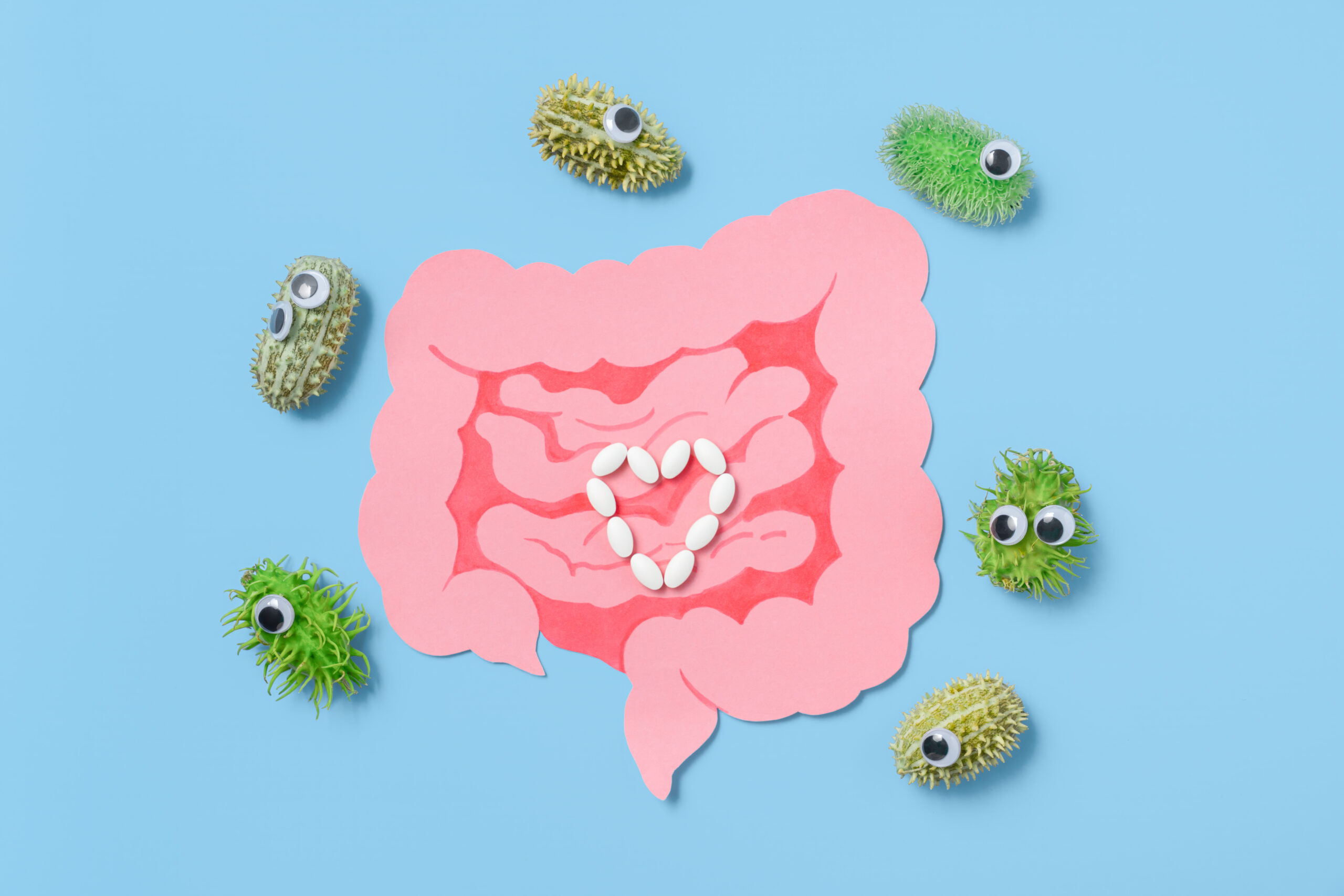
Diarrhea is the passage of loose, watery stools three or more times within 24 hours. It can be:
- Acute diarrhea: Lasts a few days and is usually caused by infections, viruses or food poisoning.
- Persistent diarrhea: Lasts 2 to 4 weeks.
- Chronic diarrhea: Continues for more than four weeks and may indicate an underlying medical condition.
Common Causes of Diarrhea
Several conditions can trigger diarrhea, including:
- Viral infections (such as viral gastroenteritis)
- Food poisoning
- Bacterial infections
- Parasitic infections
- Certain medications, especially antibiotics
- Food intolerances (such as lactose and gluten intolerance)
- Irritable bowel syndrome (IBS)
- Inflammatory bowel disease (IBD)
- Stress and anxiety
- Excess alcohol consumption
Identifying the cause helps determine the most effective treatment.
How to Stop Diarrhea Quickly
Stay Hydrated
The biggest risk from diarrhea is dehydration.
Drink plenty of:
- Water
- Oral rehydration solution (ORS)
- Clear broths
- Electrolyte drinks (low in sugar)
- Coconut water (in moderation)
Avoid excessive alcohol and caffeinated drinks, which may worsen dehydration
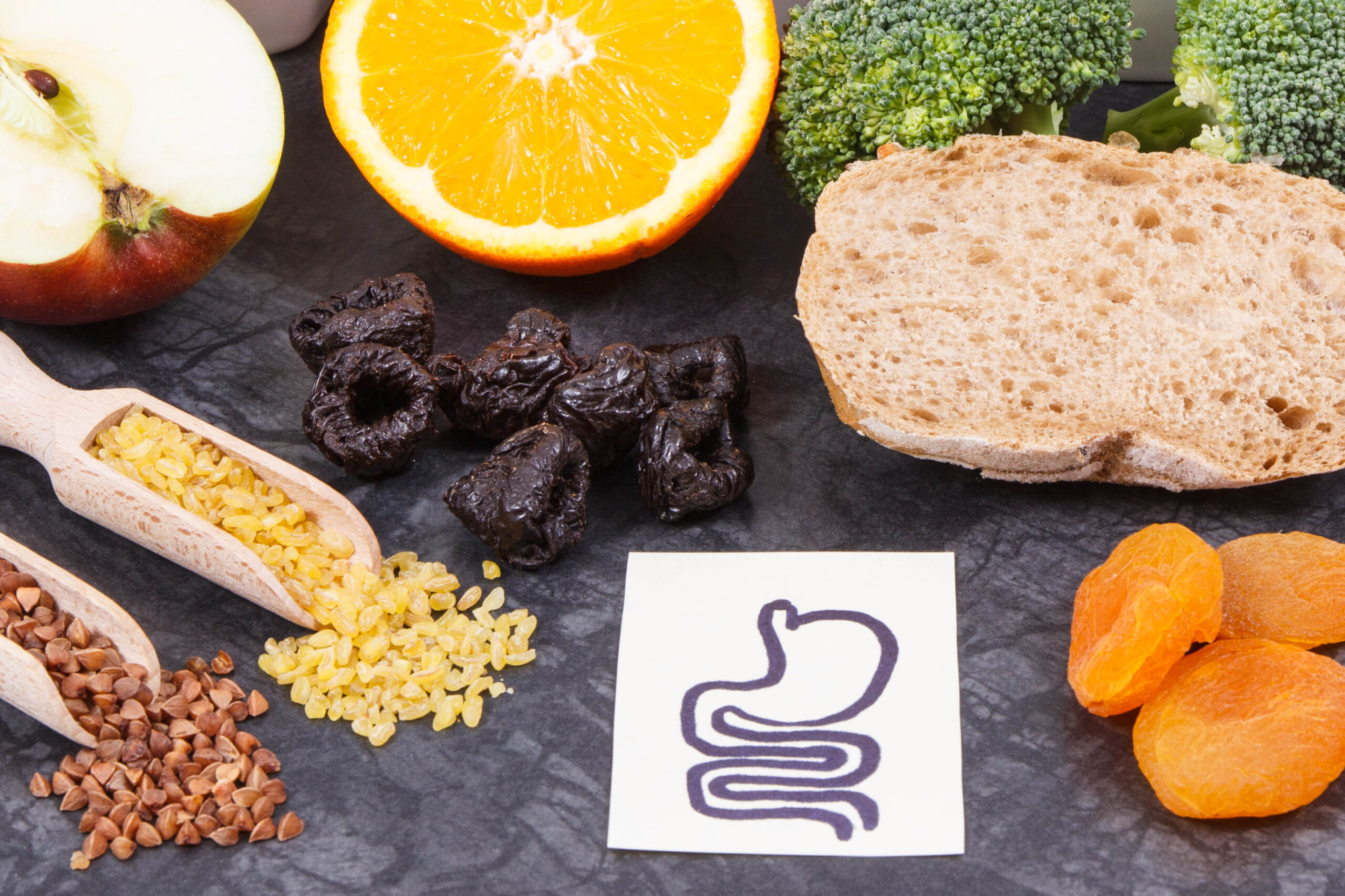
Follow the BRAT Diet
For the first day or two, choose foods that are gentle on your stomach:
- Bananas
- Rice
- Applesauce
- Toast
Other easy-to-digest foods include:
- Plain potatoes
- Oatmeal
- Plain pasta
- Crackers
- Boiled chicken
- Plain yogurt with live cultures
Avoid Foods That Can Make Diarrhea Worse
Avoid:
- Fried foods
- Fatty meals
- Spicy foods
- Dairy products (if lactose intolerant)
- High-fibre vegetables
- Sugary and alcoholic drinks and coffee
- Artificial sweeteners
Consider Over-the-Counter Medication
Depending on the cause, medications such as loperamide, bismuth subsalicylate or other local anti-diarrhoeal medications may help reduce symptoms.
However, these medications should not be used if you have:
- Bloody diarrhea
- High fever
- Suspected bacterial infection
- Severe abdominal pain
Always follow the package directions or consult a healthcare professional.
Rest
Your body needs energy to recover from infection or inflammation. Getting adequate rest supports healing.
When Should You See an Online Doctor?
Many cases of diarrhea can be safely assessed through an online consultation.
Consider booking a virtual appointment if:
- Symptoms last more than 48 hours
- You have moderate dehydration
- You cannot keep fluids down
- Diarrhea is disrupting daily activities
- You need a medical certificate
- You require advice on prescription medication
- You have underlying medical conditions such as diabetes or weakened immunity
An online doctor can evaluate your symptoms, recommend treatment, prescribe medication when appropriate, and advise whether you need in-person medical care.
When Should You Seek Emergency Care?
Seek urgent medical attention if you experience:
- Blood in the stool
- Black, tarry stools
- Severe abdominal pain
- Persistent vomiting
- High fever
- Confusion
- Severe dehydration
- Fainting
- Little or no urine output
Young children, the elderly and pregnant individuals should seek medical advice sooner because dehydration can develop rapidly. In certain cases in-person assessment may be advised.
How to Prevent Diarrhea
Reduce your risk by:
- Washing and sanitizing your hands regularly
- Drinking clean, safe water
- Cooking food thoroughly
- Refrigerating leftovers promptly
- Washing fruits and vegetables
- Avoiding contaminated food while travelling
- Practising good food hygiene
Can Stress Cause Diarrhea?
Yes. Stress and anxiety can affect the digestive system and trigger diarrhea, especially in people with irritable bowel syndrome (IBS). Managing stress through regular exercise, good sleep, mindfulness, and relaxation techniques may help reduce episodes.
How Long Does Diarrhea Last?
Most viral cases improve within 1 to 3 days.
Food poisoning may last 24 to 72 hours.
If diarrhea persists for more than two days in adults or is accompanied by concerning symptoms, medical assessment is recommended.
Why Choose Our Online Medical Practice
Our online medical practice provides convenient, professional healthcare from the comfort of your home. Our qualified clinicians can:
- Assess your symptoms
- Recommend the appropriate treatment
- Prescribe medication where appropriate and legally permitted
- Provide medical certificates when clinically appropriate
- Refer you for further testing or emergency care if needed
Fast access to medical advice can help you recover sooner while avoiding unnecessary travel and waiting rooms.
Conclusion
Most episodes of diarrhea are short-lived and improve with hydration, rest, and simple dietary adjustments. However, persistent symptoms, dehydration, blood in the stool, or severe illness require prompt medical evaluation.
If you’re experiencing diarrhea and need medical advice without leaving home, our online medical practice offers convenient virtual consultations to help you receive timely assessment, treatment recommendations, and ongoing support.
Don't Wait, Book Now!
Frequently Asked Questions
What is the fastest way to stop diarrhea?
The fastest approach is staying hydrated, eating bland foods, resting, and treating the underlying cause. Some people may benefit from over-the-counter medications if appropriate.
What foods should I eat during diarrhea?
Choose bananas, rice, applesauce, toast, plain pasta, boiled potatoes, oatmeal, crackers, and clear soups.
Should I take antibiotics for diarrhea?
No. Most cases are caused by viruses, and antibiotics are not effective. Antibiotics should only be taken when prescribed by a healthcare professional.
Can I treat diarrhea at home?
Yes. Most mild cases improve with fluids, rest, and dietary changes. Persistent or severe symptoms should be evaluated by a doctor.
When should I worry about diarrhea?
Seek medical attention if diarrhea lasts more than two days, contains blood, causes severe dehydration, or is accompanied by severe pain or high fever.
Is diarrhea contagious?
Yes. Many viral and bacterial causes are contagious and can spread through contaminated food, water, or poor hand hygiene.
Can dehydration become serious?
Yes. Severe dehydration can be life-threatening, especially in young children, older adults, and people with chronic illnesses.
Can an online doctor help with diarrhea?
Yes. An online doctor can assess your symptoms, recommend treatment, prescribe medication when appropriate, provide medical certificates if clinically indicated, and advise whether you need in-person medical care.
Related Topics
Stomach Bug Symptoms, Causes And Treatment
Get convenient online care for stomach bugs with Doctors On Demand. Speak to a qualified doctor from the comfort of home for personalised advice on your symptoms, treatment and recovery, without travelling to a clinic.
Prescription Renewals Online
Get fast and convenient online prescription renewals with Doctors On Demand. Renew your repeat medication through secure online consultations with qualified doctors, without the need to visit a clinic.